Red Beans and Rice
This post may contain affiliate links. Please read my disclosure policy.

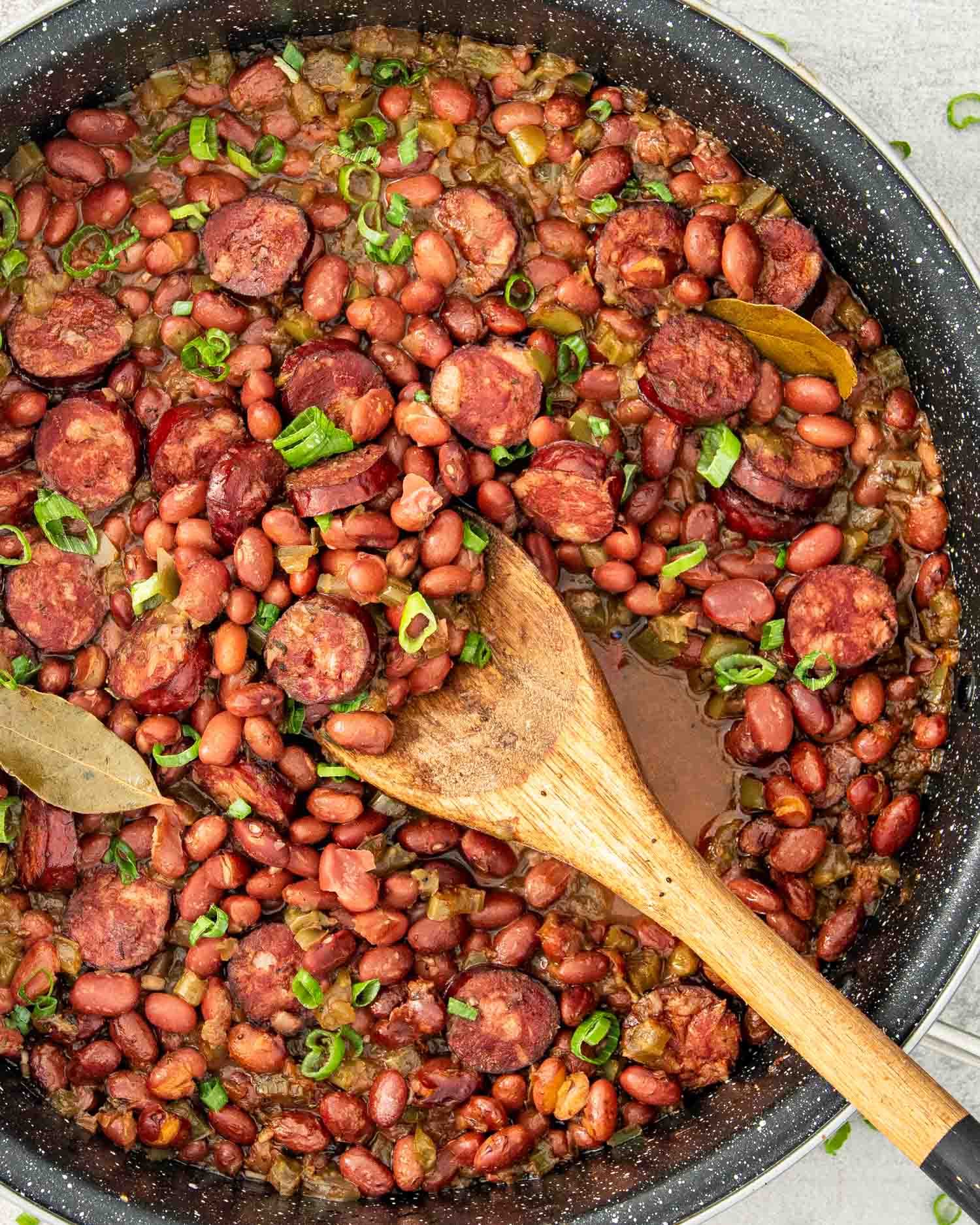
This Red Beans And Rice is the New Orleans Monday dish, and it is one of the great bargains in all of cooking. A pound of dried beans turns into something so creamy and smoky and deeply savory that people will assume there’s cream in it. There isn’t. There’s a wooden spoon and about 30 seconds of mashing, and that’s the whole secret.

My Red Beans and Rice Recipe
I love this dish a lot! Partly it’s the flavor, which is smoky and spicy and rich in a way that seems out of proportion to what’s actually in the pot. But mostly it’s that red beans and rice was designed by people who had better things to do, and it still works that way. You brown some sausage, soften some vegetables, add beans and water, and then you leave. Two hours later you come back to a pot that has quietly turned itself into dinner.
The magic moment is the mash. You press some of the beans against the side of the pot, stir, and watch a thin brothy thing become thick and glossy and creamy in about a minute. I have never gotten tired of that. It’s the closest thing to a magic trick in a weeknight recipe.
Make a double batch. Not because it’s cheap, though it is almost embarrassingly cheap, but because it’s even better tomorrow and you’ll want it again immediately.

Why It’s A Monday Dish
Red beans and rice is Monday food in New Orleans. Not loosely, either. Restaurants still put it on the menu Mondays, and people who’ve never set foot in Louisiana somehow end up making it on a Monday anyway.
The reason is laundry, and I find this genuinely delightful.
Monday was wash day, back when wash day meant hauling water and scrubbing by hand and surrendering your entire day to it. Nobody was standing over a stove. So you’d put a pot of beans on in the morning, throw in whatever was left of Sunday’s ham, and let it get on with things while you worked. By dinner the beans had done the whole job themselves.
The washing machine arrived and everybody kept making the beans anyway. That’s the highest compliment a recipe can get.
You don’t need a ham bone and I don’t use one here, because smoked sausage covers the same ground. But if you’ve got one in the freezer from a holiday roast, throw it in with the beans and pull it out at the end. That’s the original and it’s spectacular.
Ingredients in Red Beans and Rice
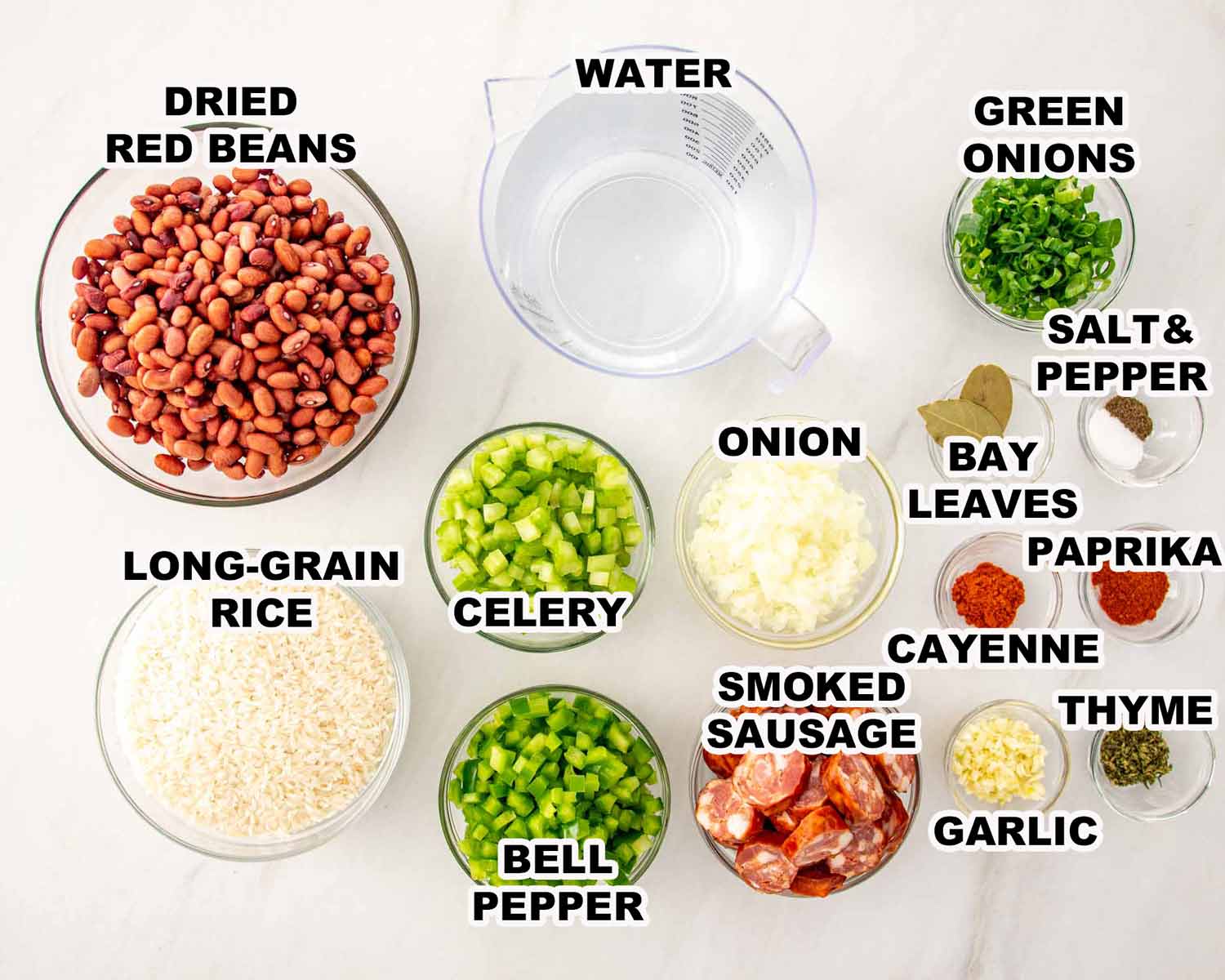
- Dried red beans (1 pound, soaked overnight, drained and rinsed): Small red beans are traditional and they’re worth seeking out. They hold their shape while still going velvety at the edges, which is exactly the balance you want. Red kidney beans are the easy substitute and nobody will complain. What matters is that they’re dried, because the entire creamy texture comes from beans releasing their starch into the pot over 2 hours.
- Smoked sausage (½ pound, sliced): Andouille is the classic and it brings heat along with the smoke. Any good smoked sausage works and kielbasa is a strong stand in. Buy something you’d happily eat straight out of the pan, because half the flavor in this pot is coming from those slices.
- Onion (1 large, chopped), green bell pepper (1 medium, chopped), celery (2 stalks, chopped): The holy trinity, which is Cajun cooking’s version of mirepoix and, in my opinion, the better one. Green bell pepper is traditional and slightly sharper than red, which suits the dish. These go into the sausage fat and soften into the base of everything.
- Garlic (3 cloves, minced): In with the trinity. Three cloves might read like a lot for a pot of beans. It is not.
- Salt (1 teaspoon) and black pepper (½ teaspoon): You’ll season twice, once now and once at the end. Beans absorb an astonishing amount of salt over 2 hours, and what tasted right at the start will taste like nothing at the finish.
- Paprika (1 teaspoon): Sweet warmth and a gorgeous rusty color.
- Cayenne pepper (½ teaspoon): This is optional. Half a teaspoon gives you a pleasant background hum. Take it up if you want it to properly announce itself, but go a pinch at a time, because there’s no reverse gear on a pot of beans.
- Bay leaves (2): Fish them out before serving. Finding one in your bowl is nobody’s idea of a good time.
- Dried thyme (1 teaspoon): Earthy, slightly floral, and one of the few herbs that gets better over a long simmer instead of fading away.
- Water (2 quarts): Water, genuinely. Not stock. The beans and the sausage build their own broth as they go, and starting with stock makes the finished pot taste heavy and oversalted. Trust the beans on this one.
- Cooked long grain white rice (4 cups, about 1⅓ cups uncooked): Cook it separately, every time. Long grain stays loose and distinct instead of collapsing, which is exactly what you want under a thick spoonful of beans.
- Green onions (chopped, for serving): I’d call these mandatory. The bowl is dark and rich and soft, and it wants something bright and green on top to wake it up.
How to Make Red Beans and Rice
The night before: soak the beans. Yes, this is a step, and yes, it happens roughly 12 hours before you’d like to be eating. Tip the beans into a big bowl, cover them with a few inches of cold water, and go to bed. They’ll roughly double in size overnight, so give them more room than you think they need. In the morning, drain and rinse.
Soaking isn’t only about speed. It’s about the beans cooking evenly, so you’re not serving a bowl where half of them are velvety and half still have a chalky little core. That’s the difference nobody tells you about.
Forgot? It’s fine. Cover the beans with water, bring them to a hard boil for 2 minutes, then pull the pot off the heat and let them sit in that hot water for an hour. Drain, rinse, carry on. Not quite as good as the overnight version, but genuinely close enough, and far better than deciding to skip it.
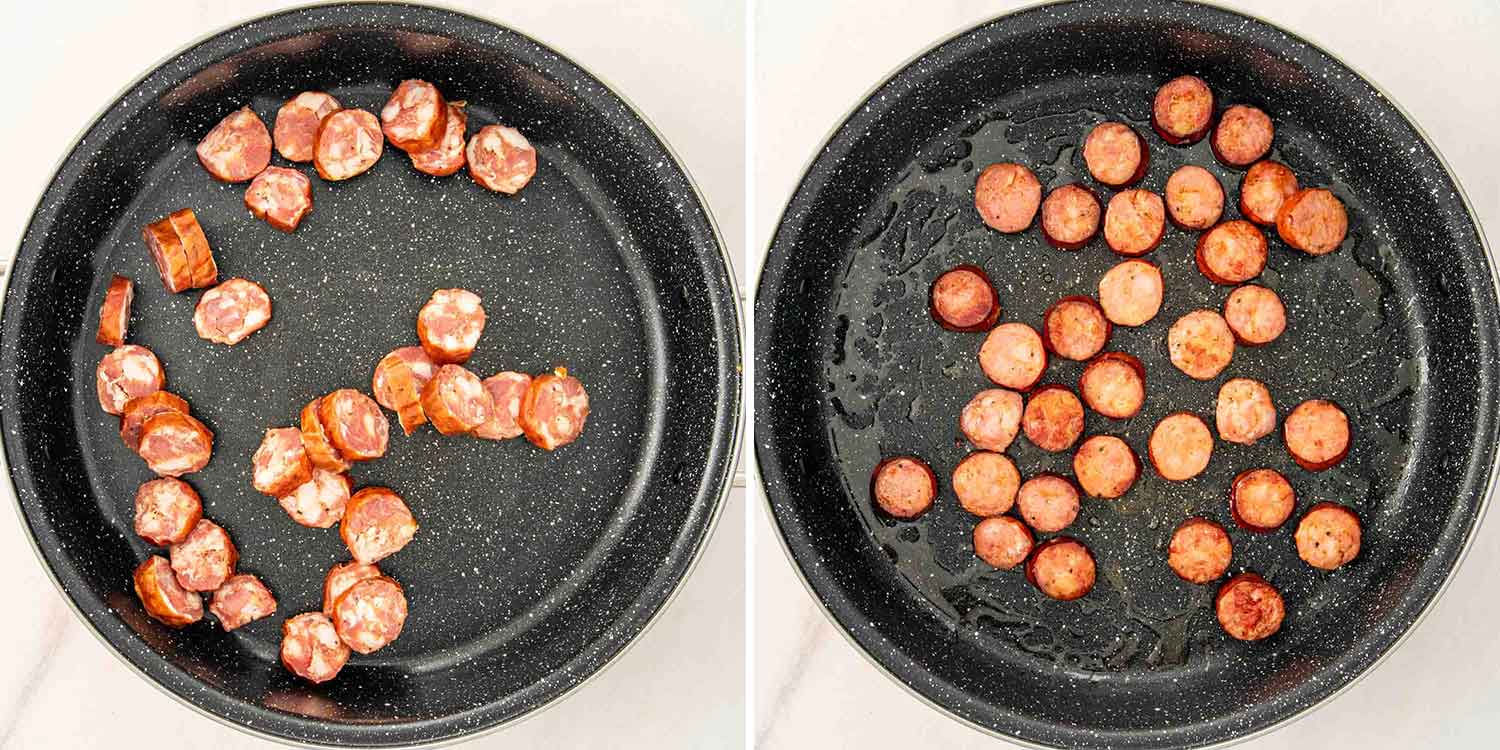
Start with the sausage. Slice it and get it into a large pot over medium heat until the cut sides are properly browned. Then take it out and leave every bit of that fat behind, because it’s now smoky and rendered and about to season everything else in the pot. Five minutes of work for flavor you cannot buy or fake later. Best trade in the recipe.
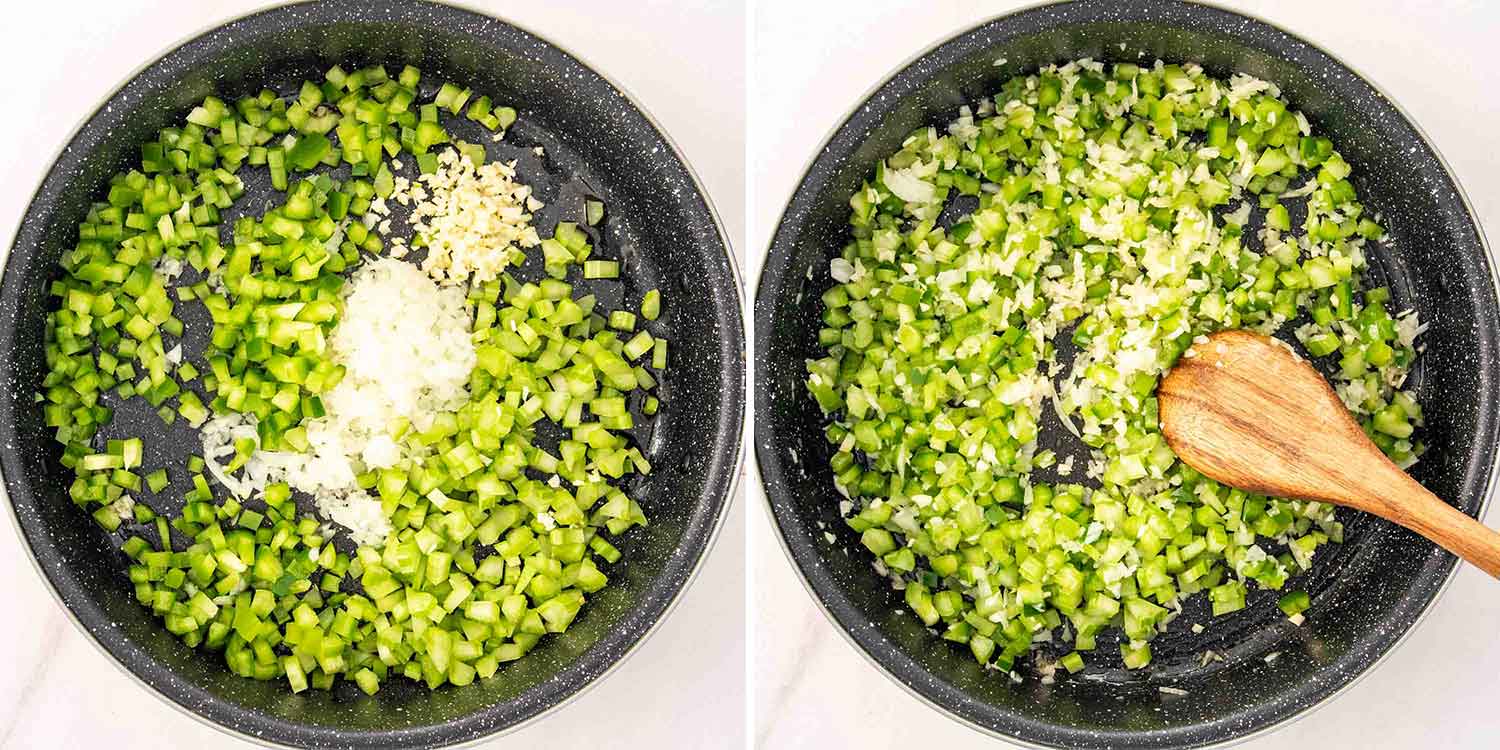
Cook the trinity in that fat. Onion, bell pepper, celery, and garlic go straight in. About 5 minutes until everything’s soft and sweet smelling. Scrape the bottom of the pot while they cook so they pick up all the browned bits the sausage left behind. Free flavor, already there, just waiting.

Everything back together. Sausage returns along with the soaked beans, salt, pepper, paprika, cayenne, bay leaves, and thyme. Give it a good stir so the spices are actually coating the beans rather than floating on top.
Water in, bring it up to a boil, then drop it right down to low. Lid on. Now go do something else. Stir every 20 minutes or so if you’re passing through, mainly to make sure nothing’s sticking.

Two hours, give or take. Older beans take longer and there’s no way to know what you’ve got until you’re in it, so start checking around 90 minutes. They’re ready when a bean squashes easily against the roof of your mouth with no chalky bit in the middle.
Then the mash, which gets its own section because it’s the best part.
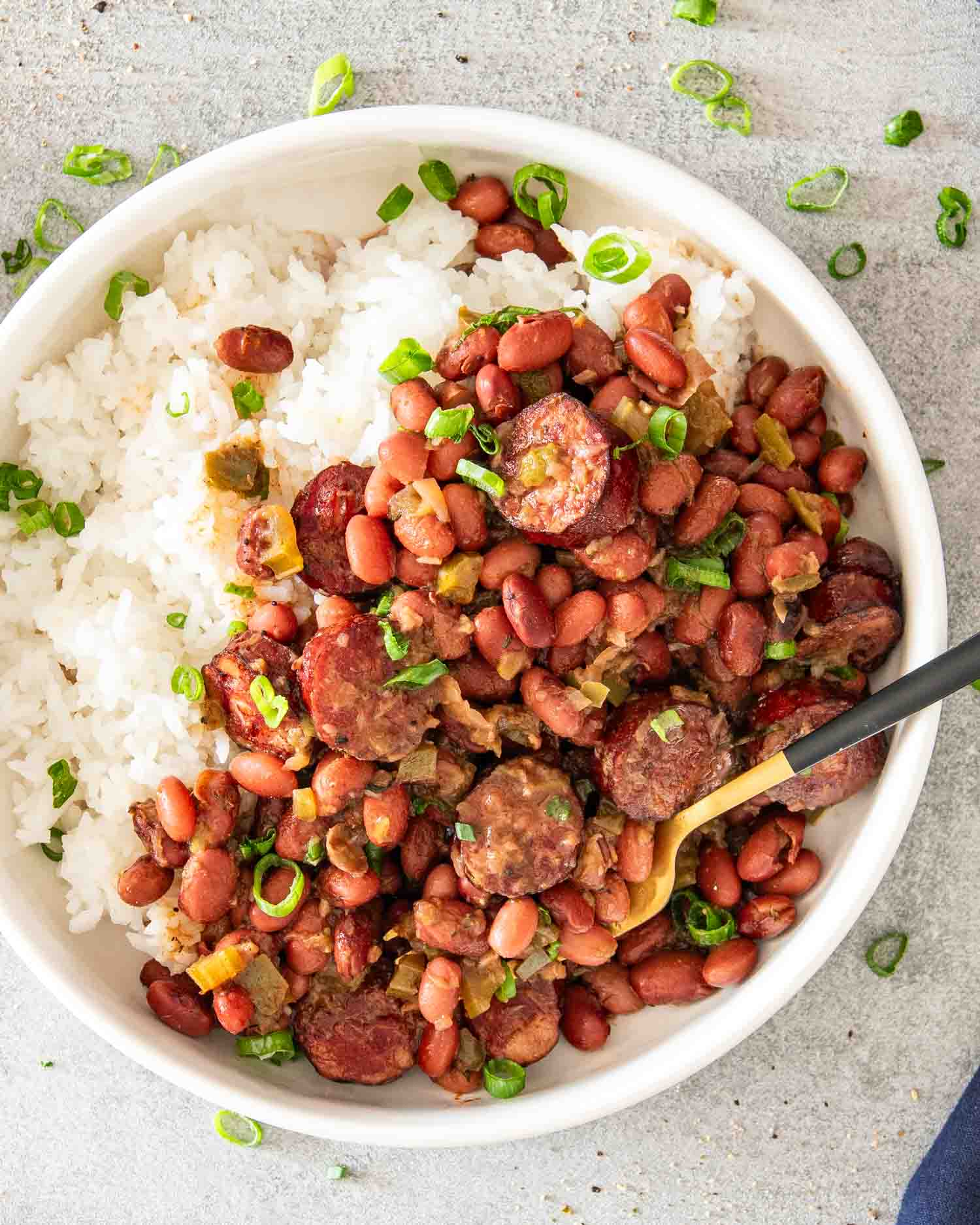
Serve it over the rice, not stirred through it. Ladle the beans into a bowl over hot rice, pile on green onions, and put hot sauce on the table. Somebody will want it.
The Mash
This is my favorite part of the whole recipe and I want you to enjoy it properly.
Once the beans are tender, take a wooden spoon and press some of them against the side of the pot. Stir them back in. Press some more. Within about a minute the whole pot transforms: the broth thickens, turns glossy, goes creamy. You added nothing. The beans just gave up their starch and did it themselves.
Aim for roughly a quarter of the pot mashed. Enough that the liquid clings to the spoon instead of running straight off it, with plenty of whole beans left so there’s still texture. Too little and it stays soupy. Too much and congratulations, you’ve made refried beans, which is a lovely dish but not this one.
It keeps thickening off the heat, so stop just before it looks right and let it settle while you get the rice into bowls.
Using Canned Beans Instead
Want this on a Tuesday? Canned beans get you most of the way there in about 30 minutes and I’m not going to be precious about it.
Use 3 cans of red kidney beans, drained and rinsed. Brown the sausage and cook the trinity exactly as written, then add the beans, all the spices, and about 3 cups of water instead of 2 quarts. Simmer uncovered for 25 to 30 minutes so it reduces and the flavors get a chance to move in, then mash as usual.
It’s a slightly different animal. Canned beans already gave their starch to the can, so you won’t get quite the same luxurious thickening. But it’s a genuinely good dinner on a weeknight, and a good dinner you actually made beats a great one you didn’t.
Slow Cooker And Instant Pot
Slow cooker: brown the sausage and cook the trinity in a skillet first. A slow cooker will not do this for you, and skipping it costs you most of the flavor. Then everything into the crock with the soaked beans and water, low for 7 to 8 hours or high for 4. Mash at the end.
Instant Pot: sauté the sausage and trinity right in the pot, add the soaked beans, spices, and water, then pressure cook 25 minutes with a natural release. Forgot to soak? Go to 45 minutes and carry on with your life. Mash on sauté.
The Stuff That Actually Makes A Difference
- Soak the beans. Overnight, cold water, done. It’s not just about speed, it’s about the beans cooking evenly so you’re not serving half soft and half crunchy. Forgot? Cover them with water, hard boil 2 minutes, pull the pot off the heat and let them sit an hour. Works beautifully.
- Buy sausage you’re excited about. Half a pound of it is carrying an enormous amount of this dish. This is not the moment for the sad value pack.
- Season twice. Once at the start, once before serving. The beans will have quietly absorbed everything and it’ll want more salt. Taste it.
- Be gentle with the cayenne on the first go. You can add heat to a bowl. You cannot subtract it from a pot.
- Beans over rice, never stirred in. The contrast between thick creamy beans and loose separate grains is half of why this dish works.
- Make it a day ahead if you can. It’s better on day 2 and it’s not close. The beans keep drinking in the broth and everything settles. If you’re feeding people, cook it the night before and accept the compliments.
What To Serve With This
Cornbread. It’s the answer, it’s always been the answer, and you’ve got 2 hours of simmering time in which to make it.
Past that, this is a rich, soft, gorgeously one note bowl, so whatever goes beside it should be sharp or crunchy. Coleslaw does that job perfectly. Hot sauce on the table is expected rather than optional, and a vinegar based one cuts through the richness in a way that plain heat can’t.
If you’re going all in, fried chicken alongside makes it a full Louisiana Sunday and nobody’s walking away hungry.

Easy Cornbread Recipe

Buttermilk Fried Chicken

Air Fryer Corn On The Cob

Easy Homemade Coleslaw Recipe
Make Ahead And Storage
Make ahead: this dish was practically built for it. Cook it a day early, refrigerate, and reheat gently on the stove with a splash of water to loosen it. It thickens up considerably in the fridge, which is a good sign.
Fridge: 4 days, with the beans and rice in separate containers. Rice sitting under wet beans turns to mush and it’s a sad discovery on day 2.
Freezer: the beans freeze brilliantly for up to 3 months. Rice does not, so make that fresh.
Reheating: low and slow on the stove with a little water stirred in, or the microwave at medium. Don’t blast it or the beans go grainy on you.

Discover More Beans Recipes
Before You Begin! If you make this, please leave a review and rating letting us know how you liked this recipe! This helps our business thrive & continue providing free recipes.

Red Beans and Rice
Ingredients
- 1 pound dried red beans (soaked overnight, drained and rinsed)
- ½ pound smoked sausage (sliced)
- 1 large onion (chopped)
- 1 medium green bell pepper (chopped)
- 2 stalks celery (chopped)
- 3 cloves garlic (minced)
- 1 teaspoon salt
- ½ teaspoon black pepper
- 1 teaspoon paprika
- ½ teaspoon cayenne pepper
- 2 bay leaves
- 1 teaspoon dried thyme
- 2 quarts water
- 4 cups cooked long-grain white rice ((about 1⅓ uncooked))
- green onions (chopped, for serving)
Before You Begin! If you make this, please leave a review and rating letting us know how you liked this recipe! This helps our business thrive & continue providing free recipes.
Instructions
- In a large pot over medium heat, cook the sausage until browned and remove it from the pot, leaving the fat behind.
- Add the onion, bell pepper, celery, and garlic to the pot and cook until vegetables are softened, about 5 minutes.
- Return the sausage to the pot along with the beans, salt, black pepper, paprika, cayenne, bay leaves, and thyme. Stir everything together until well combined.
- Add the water to the pot and bring the mixture to a boil.
- Reduce the heat to low, cover the pot, and let it simmer for about 2 hours, stirring occasionally, until the beans are tender.
- To thicken the mixture, use the back of a spoon to mash some of the beans against the side of the pot.
- Serve the beans over cooked rice, garnished with chopped green onions.
Notes
- Soak the beans: overnight in cold water. It cuts the cook time and, more importantly, gets them cooking evenly. Quick soak method is in the FAQs if you forgot.
- The mash: press about a quarter of the beans against the side of the pot with a wooden spoon and stir them back in. This is what thickens everything and it’s my favorite part.
- Sausage: andouille is traditional and brings heat along with the smoke. Any good smoked sausage works, kielbasa included.
- Water, not stock: the beans and sausage build their own broth. Starting with stock makes the finished pot taste heavy.
- Season twice: once at the start, once before serving. Beans absorb a lot of salt over 2 hours.
- Cayenne: ½ teaspoon is gentle warmth. Add more a pinch at a time, because there’s no taking it back out.
- Rice separately: always. Long grain white, cooked on its own and fluffed with a fork.
- Leftovers: better the next day. Store the beans and rice in separate containers for up to 4 days.
Nutrition Information
Notice: Nutrition is auto-calculated for your convenience. Where relevant, we recommend using your own nutrition calculations.
Frequently Asked Questions
Do I really have to soak the beans overnight?
I would, yes. It’s not only about cutting the cooking time, it’s about the beans cooking evenly so you don’t end up with some soft and some stubbornly chalky. If you forgot, do the quick soak: cover with water, hard boil 2 minutes, off the heat, let them sit an hour. Works great.
Can I use kidney beans instead of red beans?
Absolutely, and plenty of people do. Small red beans hold their shape a bit better and go creamier, but kidney beans are far easier to find and the difference is small. Use whatever your store has and don’t lose sleep over it.
Why are my beans still hard after 2 hours?
Almost always because they’re old. Beans that have been sitting in a warehouse for a year take much longer, and there’s no way to tell by looking at them. Hard water slows things down too. Just keep simmering, add water if the pot’s getting low, and they’ll get there.
How spicy is this?
As written it’s warm rather than hot, more of a background hum than a kick. Half a teaspoon of cayenne across 8 servings is gentle. Want it to actually bite? Go up to a full teaspoon, but add it gradually.
Can I make it without the sausage?
You can, and it’s still good, but you’d be losing the smoke that carries the whole thing. Add a teaspoon of smoked paprika and a splash of liquid smoke if you’ve got it. For a fully vegan version, skip the sausage and cook the trinity in olive oil.
What if I have a ham bone?
Use it, please. In with the beans, pulled out before serving, and shred any meat off it and stir it back through. That’s the original version of this dish and it’s wonderful.
Why is it better the next day?
The beans keep absorbing the broth overnight and everything mellows into everything else. If you’re cooking for guests, make it the day before and you’ll look like you’ve been doing this for years.